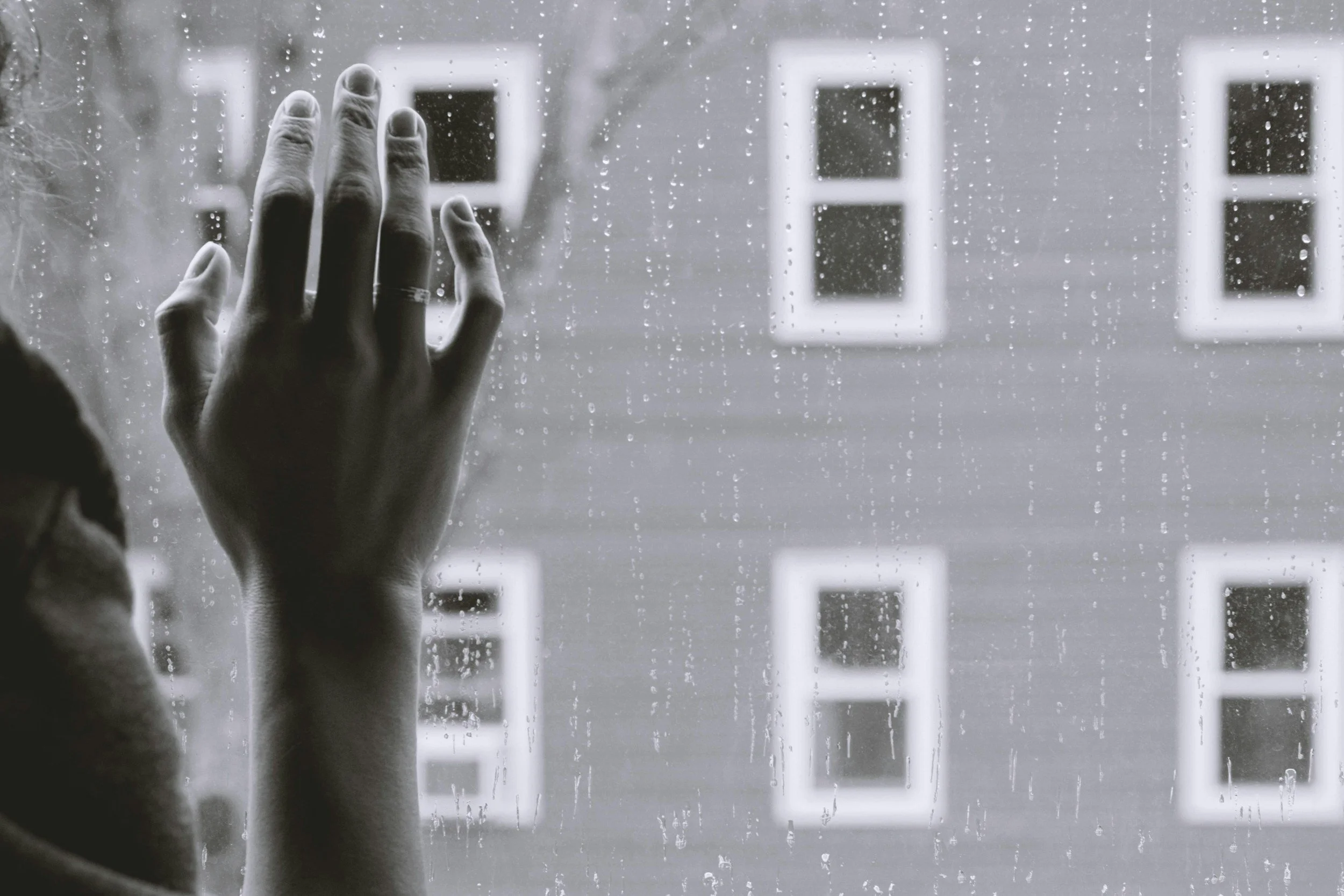
Understanding Seasonal Affective Disorder (SAD): Causes, Symptoms & Treatment
Seasonal Affective Disorder (SAD) is a type of depression that follows a seasonal pattern — most commonly beginning in fall and worsening during winter. Reduced sunlight, colder weather, and disrupted routines all contribute to this cyclical change in mood.
If you find yourself feeling more fatigued, irritable, or low during certain seasons, you may be experiencing Seasonal Affective Disorder.
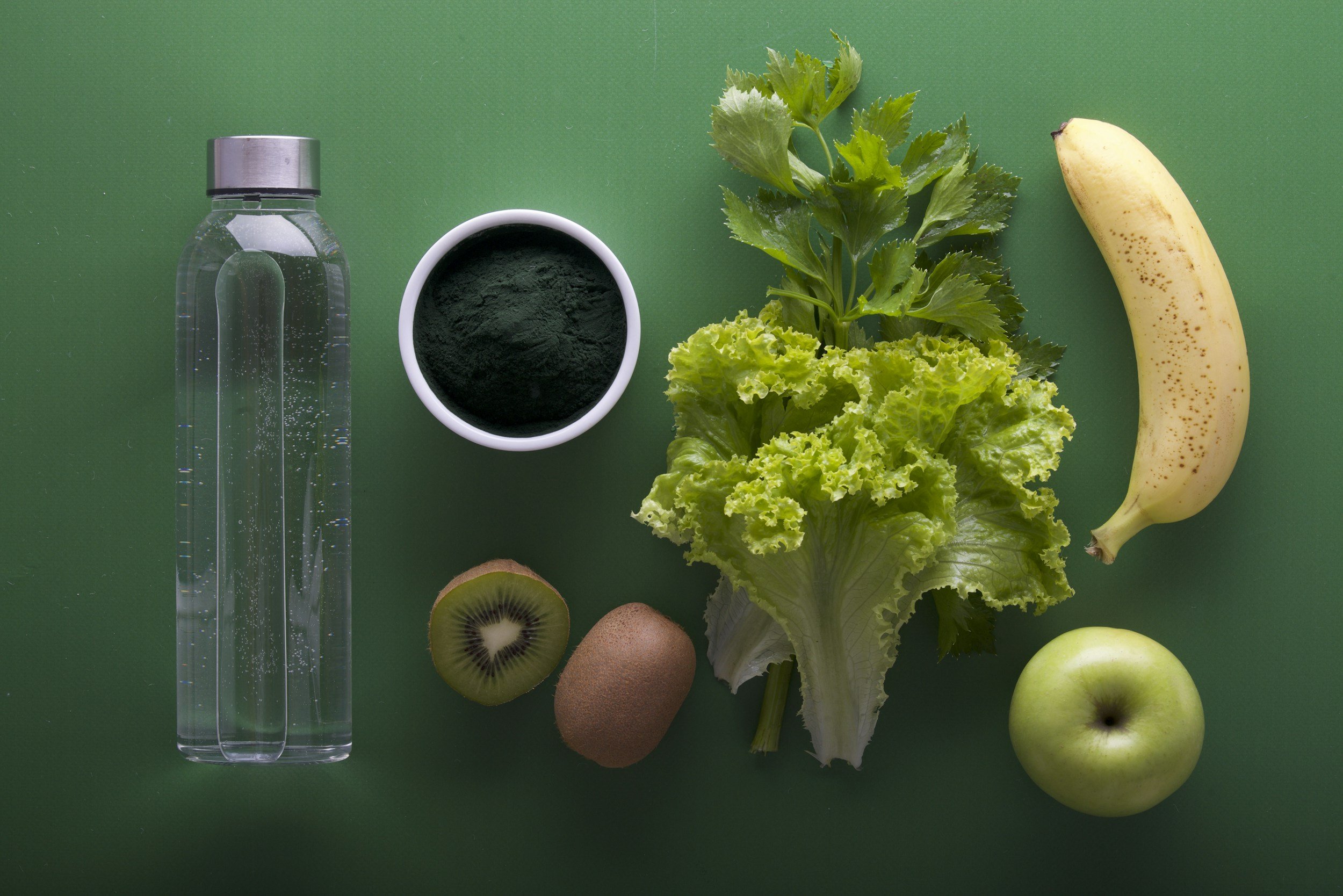
How Nutrition Impacts Mental Health
Mental health is influenced by many factors, but one often overlooked element is nutrition. What we eat affects our energy, brain chemistry, hormones, and emotional stability. Growing research shows a strong connection between nutrition and mental health, especially when it comes to depression and anxiety.
Eating well doesn’t mean perfection — even small dietary improvements can support a more balanced mood.

High-Functioning Depression: Signs Most People Overlook
High-functioning depression is a form of depression where someone appears productive, put-together, and capable — yet silently struggles with persistent sadness, exhaustion, and emotional numbness. Because these individuals maintain responsibilities, many people never realize what they’re going through.

What Depression Really Feels Like: Myths vs. Reality
Depression is one of the most common yet misunderstood mental health conditions. While many people think they know what depression feels like, most misconceptions come from comparing it to temporary sadness. In reality, depression affects thoughts, emotions, energy, relationships, and physical health.