
OCD Treatments: Therapy, Medication, and Lifestyle Strategies
Focuses on identifying and challenging obsessive thoughts
Helps reduce compulsive behaviors
Teaches coping and problem-solving skills

ADHD Therapy Options: CBT, Coaching, and Behavioral Interventions
Medication helps regulate brain chemistry, but therapy addresses the behavioral and emotional challenges that medication alone cannot. Therapy teaches skills, strategies, and coping mechanisms for daily life.

Schizophrenia Myths vs. Facts: The Truth About a Misunderstood Disorder
Schizophrenia is one of the most misunderstood mental health conditions. Myths fuel stigma, discourage treatment, and create unnecessary fear. Dispelling misinformation helps people access support without shame.
Here are the most common myths—and the reality behind them.
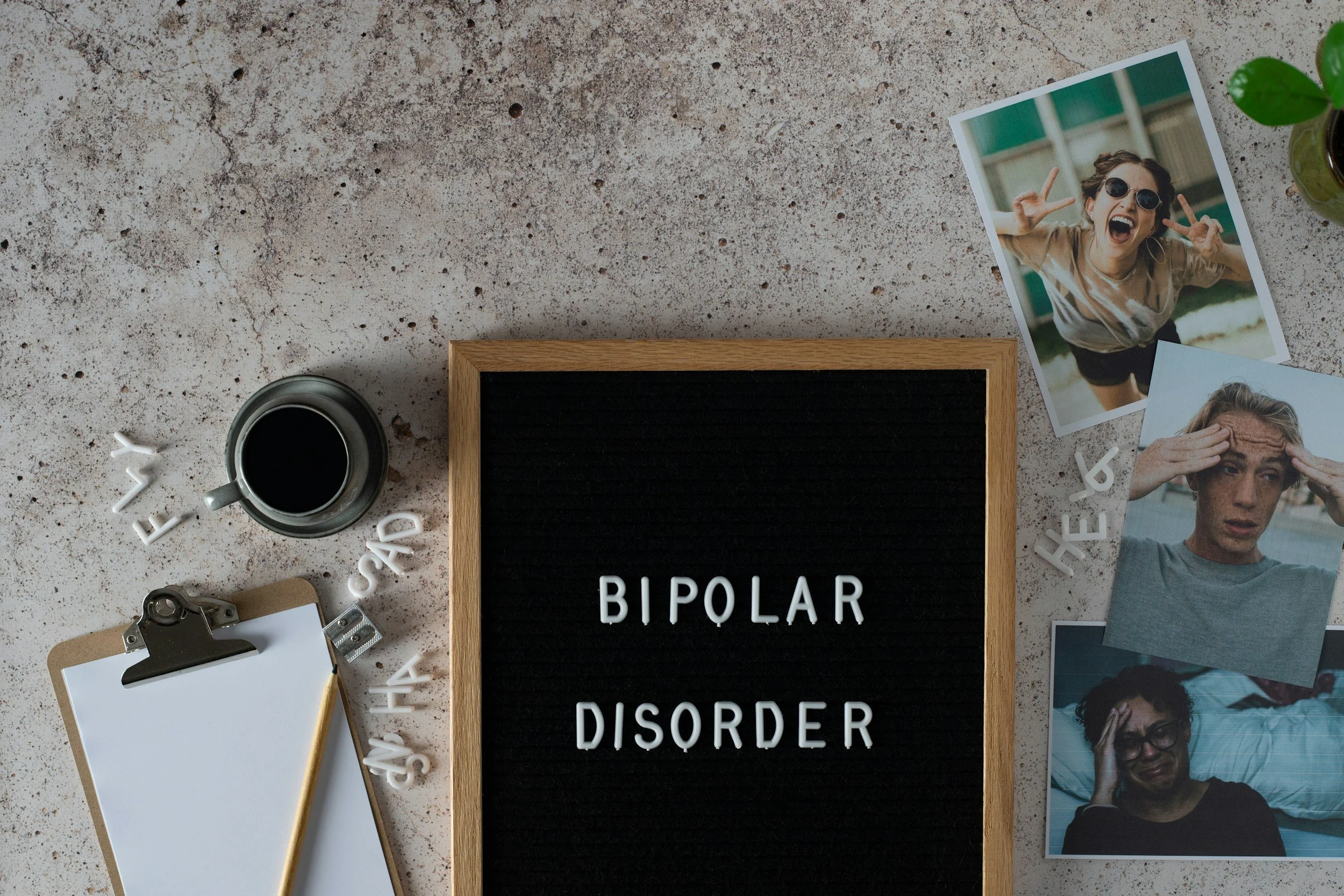
Daily Habits for Bipolar Disorder: Routines That Improve Mood Stability
Bipolar disorder can feel unpredictable — but daily habits can dramatically reduce mood swings, prevent episodes, and build long-term stability. Small, consistent lifestyle choices often work hand-in-hand with therapy and medication.
Here are the most effective daily habits for living well with bipolar disorder.

Nighttime Anxiety: Why It Gets Worse at Night & 12 Ways to Stop Overthinking
Nighttime anxiety is one of the most common forms of stress—and one of the most frustrating. You finally lie down to sleep, but as soon as it’s quiet, your mind starts racing. Every worry, to-do list item, and past conversation suddenly becomes urgent.
If this sounds familiar, you’re not alone. Nighttime anxiety is extremely common, and the good news is that there are science-backed ways to calm your mind and sleep more peacefully.

Understanding Seasonal Affective Disorder (SAD): Causes, Symptoms & Treatment
Seasonal Affective Disorder (SAD) is a type of depression that follows a seasonal pattern — most commonly beginning in fall and worsening during winter. Reduced sunlight, colder weather, and disrupted routines all contribute to this cyclical change in mood.
If you find yourself feeling more fatigued, irritable, or low during certain seasons, you may be experiencing Seasonal Affective Disorder.

ADHD Therapy Options: CBT, Coaching, and Behavioral Interventions
Medication helps regulate brain chemistry, but therapy addresses the behavioral and emotional challenges that medication alone cannot. Therapy teaches skills, strategies, and coping mechanisms for daily life.

OCD Diagnosis: How Professionals Evaluate Symptoms and Make a Diagnosis
Proper diagnosis ensures individuals receive:
Appropriate therapy (CBT, ERP)
Medication if needed
Lifestyle and coping strategies
Support for co-occurring conditions
Misdiagnosis can delay treatment and increase distress.
ADHD Medication Guide: Stimulants, Non-Stimulants, and How They Work
ADHD medication helps regulate brain chemicals, particularly dopamine and norepinephrine, improving:
Attention
Impulse control
Executive function
Emotional regulation
Medication is often combined with therapy and lifestyle strategies for best results.