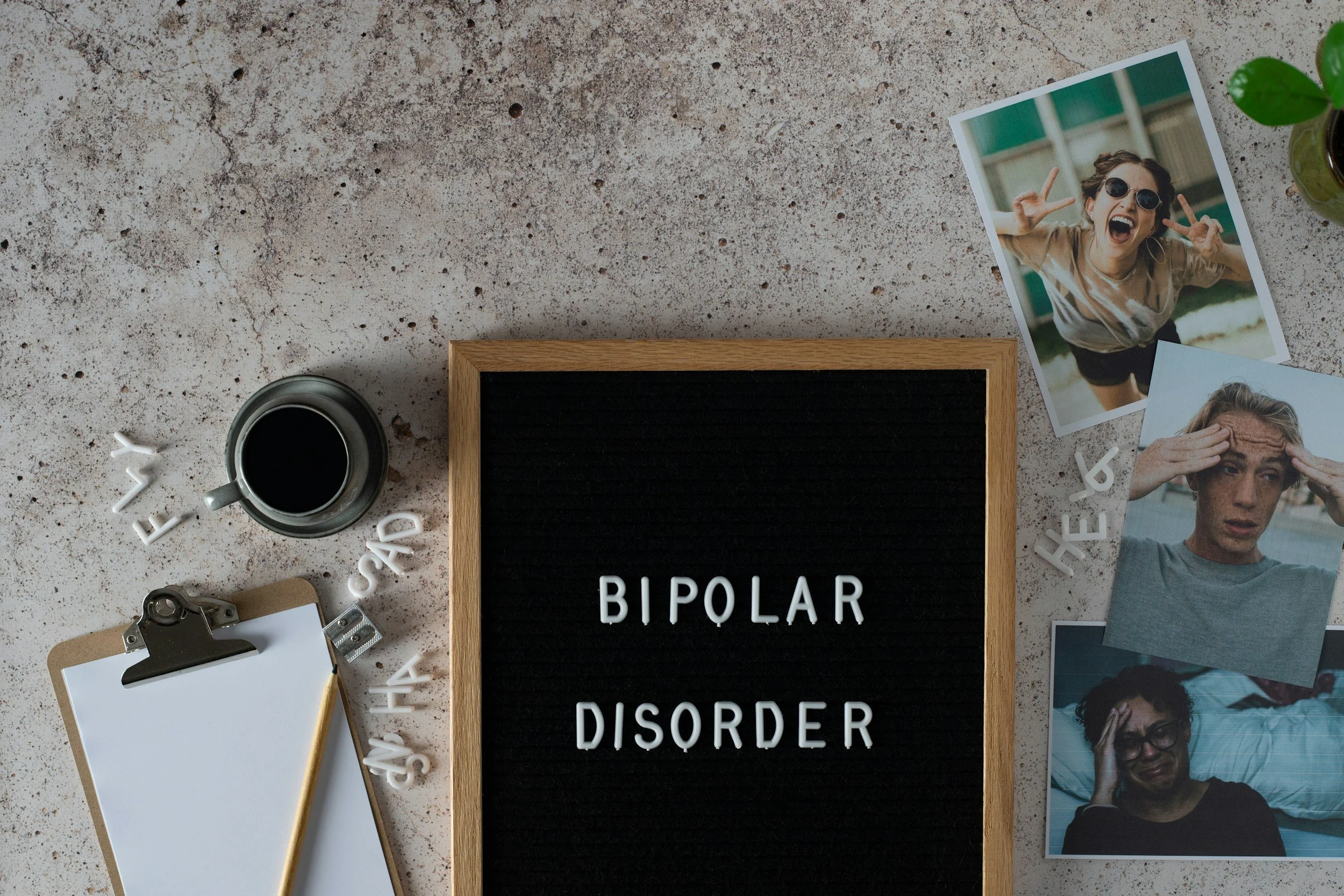
Daily Habits for Bipolar Disorder: Routines That Improve Mood Stability
Bipolar disorder can feel unpredictable — but daily habits can dramatically reduce mood swings, prevent episodes, and build long-term stability. Small, consistent lifestyle choices often work hand-in-hand with therapy and medication.
Here are the most effective daily habits for living well with bipolar disorder.
Bipolar Disorder Treatment Options: Medications, Therapy & Lifestyle Strategies
Bipolar disorder is highly treatable — but it usually requires a combination of approaches. Medication, therapy, and lifestyle changes each play an important role in maintaining long-term stability.
This guide outlines the most effective treatment options so you can understand what works and why.
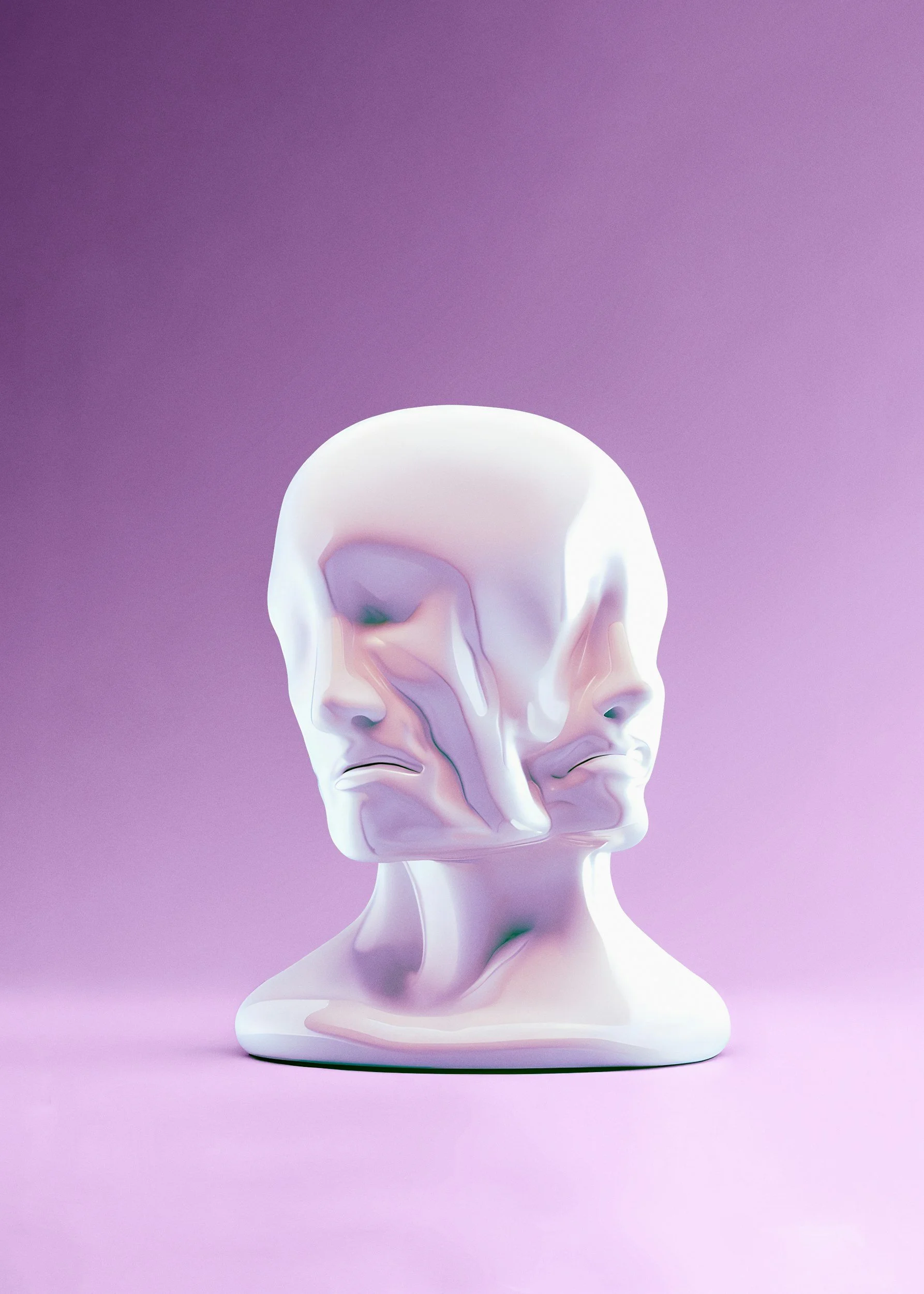
How to Support a Loved One With Bipolar Disorder
Bipolar disorder affects the person who has it — but it also impacts partners, family members, and friends. Supporting someone with bipolar disorder can be deeply meaningful, but it can also be confusing or overwhelming if you don’t know where to start.
This guide gives you practical, compassionate, realistic ways to help.
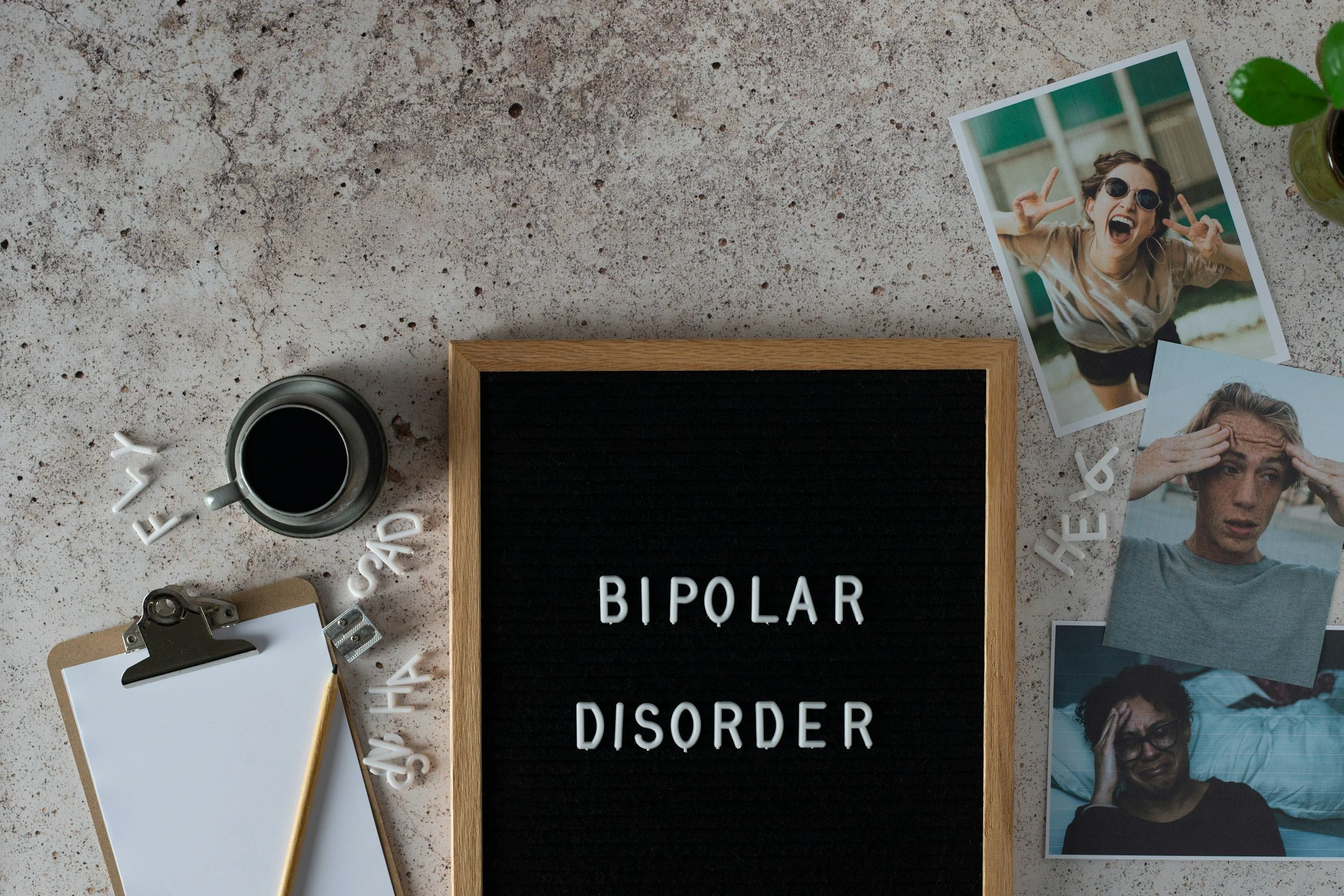
What Bipolar Mood Episodes Feel Like:Mania, Hypomania & Depression
Many people know the textbook definitions of bipolar disorder—but far fewer understand what mood episodes actually feel like.
Here’s a compassionate, human-centered look at the experience of mania, hypomania, and bipolar depression.
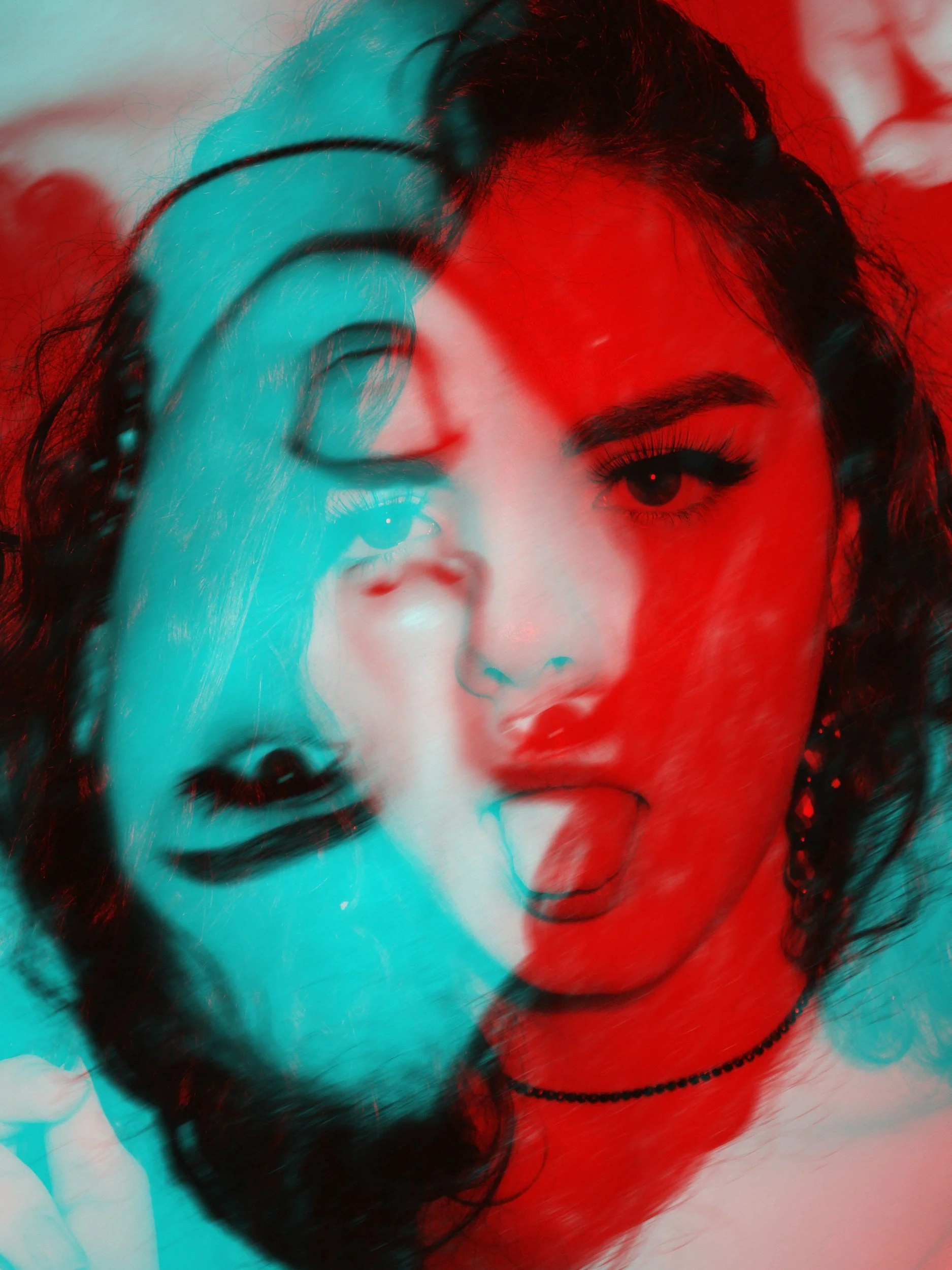
Bipolar I vs. Bipolar II: Key Differences Explained Simply
Both Bipolar I and Bipolar II involve mood changes, but the intensity and type of high-energy episodes are different.
Here’s a simple breakdown.

What Is Bipolar Disorder? Symptoms, Types & Early Warning Signs
Bipolar disorder is a mental health condition that causes significant shifts in mood, energy, and activity levels. These shifts—called mood episodes—range from periods of high energy (mania or hypomania) to low energy (depression).