
Understanding Positive vs. Negative Symptoms of Schizophrenia
Schizophrenia symptoms fall into two categories: positive and negative. Understanding both helps families, clinicians, and individuals recognize patterns and track progress.
How to Support a Loved One With Bipolar Disorder
Bipolar disorder affects the person who has it — but it also impacts partners, family members, and friends. Supporting someone with bipolar disorder can be deeply meaningful, but it can also be confusing or overwhelming if you don’t know where to start.
This guide gives you practical, compassionate, realistic ways to help.
Panic Attacks vs. Anxiety Attacks: What’s the Difference?
People often use the terms panic attack and anxiety attack interchangeably, but they’re not the same. While both involve fear, discomfort, and intense physical sensations, they show up differently and often have different triggers. Understanding the difference can help you feel more in control and know what to do when symptoms appear.

Daily Habits That Gently Improve Mood Over Time
Improving your mood doesn’t require major life changes or intense routines. In fact, long-term mental well-being is often built on small, consistent habits that slowly shift your energy, mindset, and resilience.
If you’re dealing with depression or simply feeling low, these gentle mood-boosting habits can help you create stability and support healing.
OCD in Adults: Symptoms and How It Impacts Daily Life
OCD is not limited to childhood. Many adults experience:
Obsessions about contamination, harm, or morality
Compulsions that interfere with daily life
Chronic stress and anxiety impacting work, relationships, and well-being
Symptoms often persist for years without treatment.

ADHD in Adults: How Symptoms Differ From Childhood
Many people assume ADHD only affects children, but up to 60% of children with ADHD continue to experience symptoms as adults. Adult ADHD often looks different from childhood ADHD.

Schizophrenia vs. Schizoaffective Disorder: Key Differences Explained
Schizophrenia and schizoaffective disorder share several symptoms, including hallucinations, delusions, and disorganized thinking. However, the presence of major mood episodes is what distinguishes schizoaffective disorder.
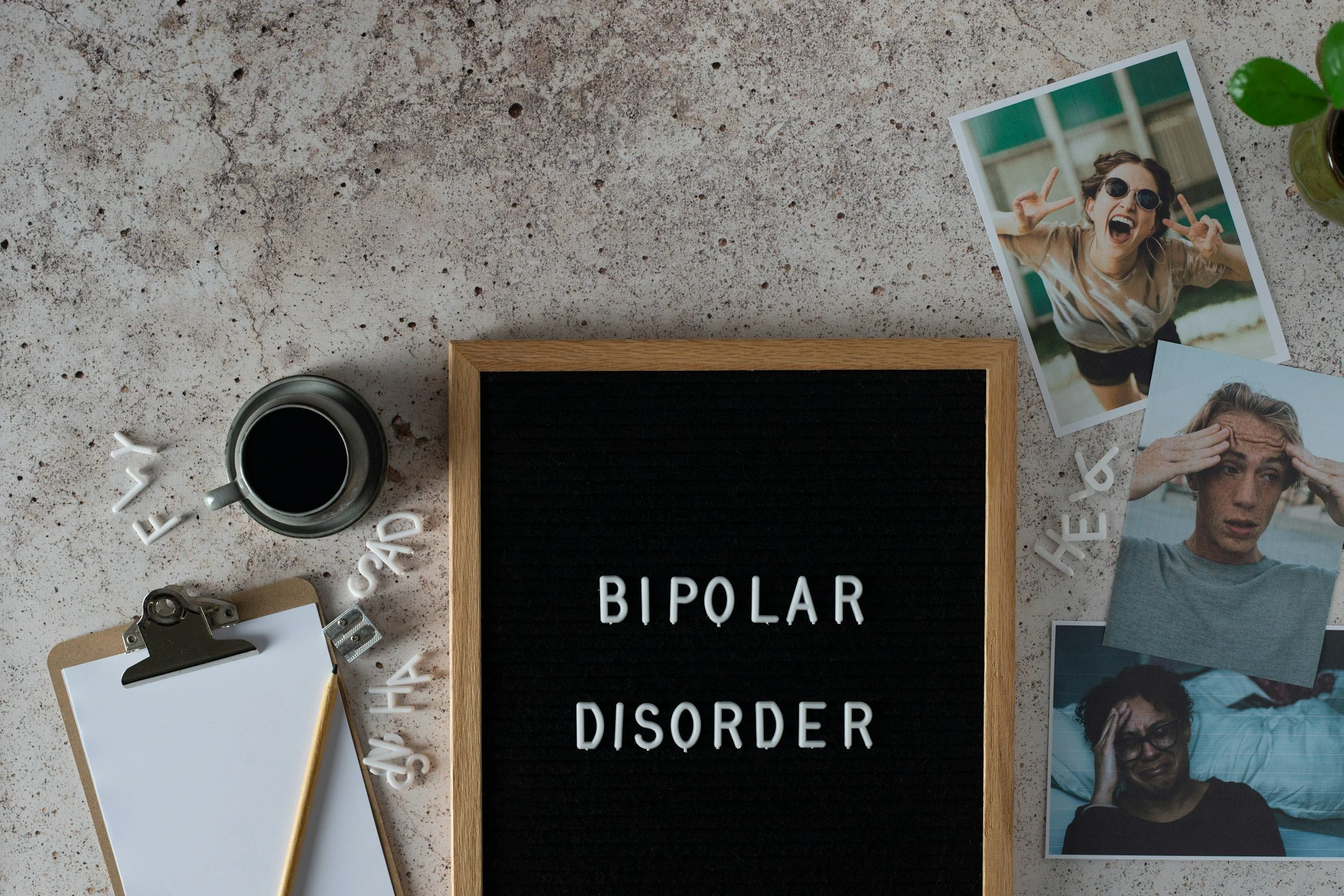
What Bipolar Mood Episodes Feel Like:Mania, Hypomania & Depression
Many people know the textbook definitions of bipolar disorder—but far fewer understand what mood episodes actually feel like.
Here’s a compassionate, human-centered look at the experience of mania, hypomania, and bipolar depression.

Generalized Anxiety Disorder Explained: Signs, Causes, and Support
Generalized Anxiety Disorder (GAD) is a common condition characterized by persistent, uncontrollable worry about everyday situations. Unlike typical stress, GAD doesn’t go away when circumstances improve — it lingers and affects daily life.