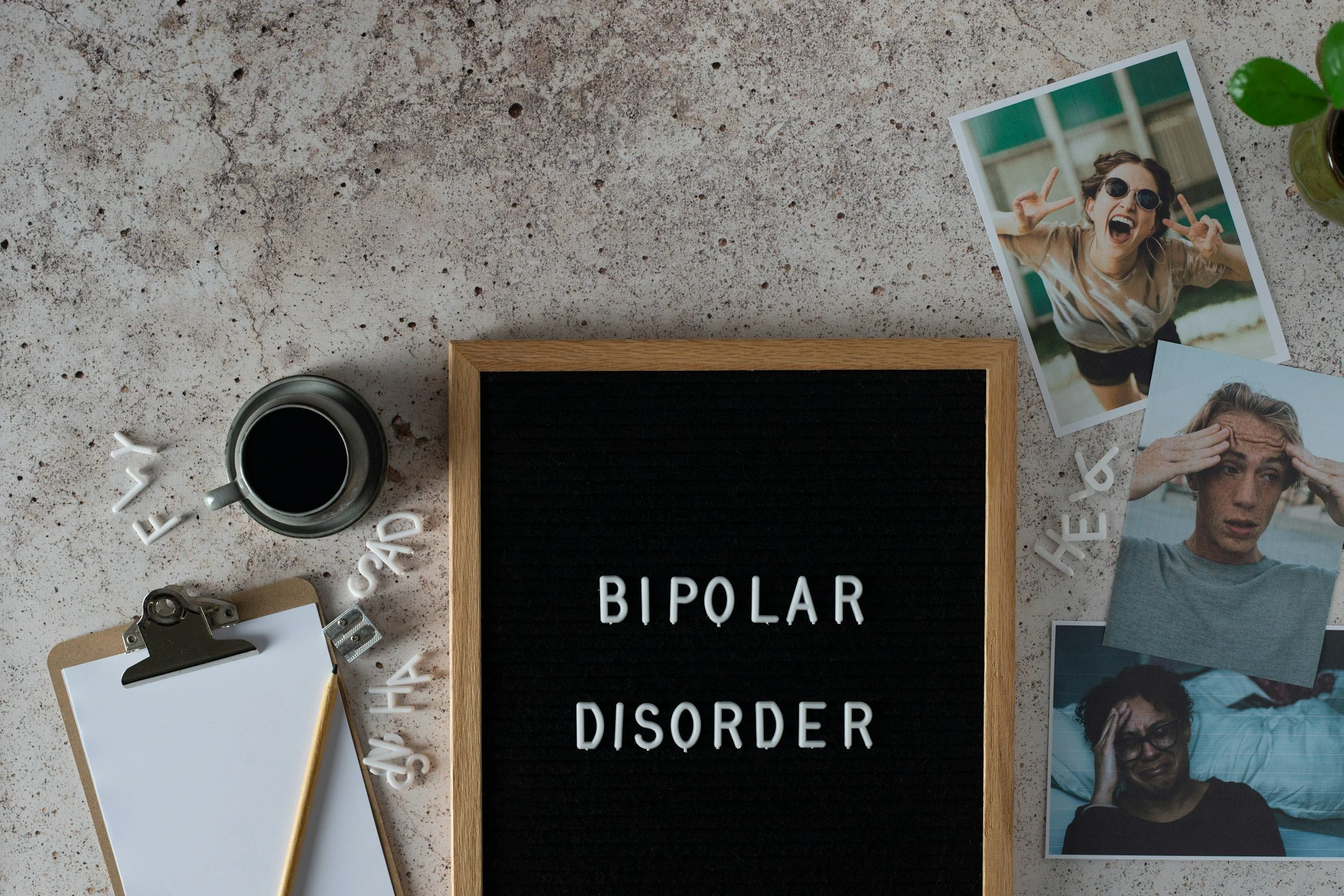
What Bipolar Mood Episodes Feel Like:Mania, Hypomania & Depression
Many people know the textbook definitions of bipolar disorder—but far fewer understand what mood episodes actually feel like.
Here’s a compassionate, human-centered look at the experience of mania, hypomania, and bipolar depression.

Generalized Anxiety Disorder Explained: Signs, Causes, and Support
Generalized Anxiety Disorder (GAD) is a common condition characterized by persistent, uncontrollable worry about everyday situations. Unlike typical stress, GAD doesn’t go away when circumstances improve — it lingers and affects daily life.

How to Support a Loved One Living With Depression
Watching someone you care about struggle with depression can be painful, confusing, and overwhelming. You may want to help but feel unsure what to say, what to avoid, or how to make a difference. The good news: you can support them — and your understanding can be a powerful part of their healing.

Signs of OCD in Children: Early Detection and Support
Early detection of OCD allows children to receive appropriate therapy, support, and coping strategies, reducing anxiety and improving school and social functioning.

Signs of ADHD in Children: What Parents Should Look For
Recognizing ADHD early helps children get appropriate support at school and home. Early intervention reduces frustration, improves self-esteem, and enhances learning.

What Is OCD? Understanding Symptoms, Types, and Causes
Obsessive-Compulsive Disorder (OCD) is a mental health condition characterized by recurring, unwanted thoughts (obsessions) and repetitive behaviors (compulsions) performed to reduce anxiety. OCD affects daily functioning, relationships, and quality of life if untreated.

What Is ADHD? Understanding Symptoms and Diagnosis
ADHD, or Attention-Deficit/Hyperactivity Disorder, is a neurodevelopmental condition that affects attention, impulse control, and activity levels. It’s common in children but can persist into adulthood. ADHD impacts daily functioning, learning, relationships, and emotional regulation.

Early Warning Signs of Schizophrenia: What Families Should Know
Schizophrenia often develops between late teens and early 30s. The earlier treatment begins, the better the long-term outcome. Recognizing subtle changes can help families seek support before symptoms become severe.

Bipolar I vs. Bipolar II: Key Differences Explained Simply
Both Bipolar I and Bipolar II involve mood changes, but the intensity and type of high-energy episodes are different.
Here’s a simple breakdown.