
How Nutrition Impacts Mental Health
Mental health is influenced by many factors, but one often overlooked element is nutrition. What we eat affects our energy, brain chemistry, hormones, and emotional stability. Growing research shows a strong connection between nutrition and mental health, especially when it comes to depression and anxiety.
Eating well doesn’t mean perfection — even small dietary improvements can support a more balanced mood.

The Science Behind OCD: Brain Function and Neurotransmitters
Research shows OCD involves abnormal activity in brain circuits related to:
Decision-making
Error detection
Emotional regulation
The cortico-striato-thalamo-cortical (CSTC) circuit plays a key role in repetitive thoughts and behaviors.

ADHD Diagnosis: What to Expect From a Professional Evaluation
Proper diagnosis ensures individuals receive:
Appropriate therapy
Medication if needed
Lifestyle and organizational strategies
Educational or workplace accommodations
Misdiagnosis can lead to frustration, ineffective treatments, or overlooked co-occurring conditions.

How Schizophrenia Is Diagnosed: What to Expect During Evaluation
A schizophrenia diagnosis isn’t based on a single test—it requires a comprehensive mental health evaluation, medical rule-outs, and observation of symptoms over time. Because schizophrenia can look different in each person, diagnosis requires expertise and careful assessment.
Here’s what the diagnostic process really looks like.
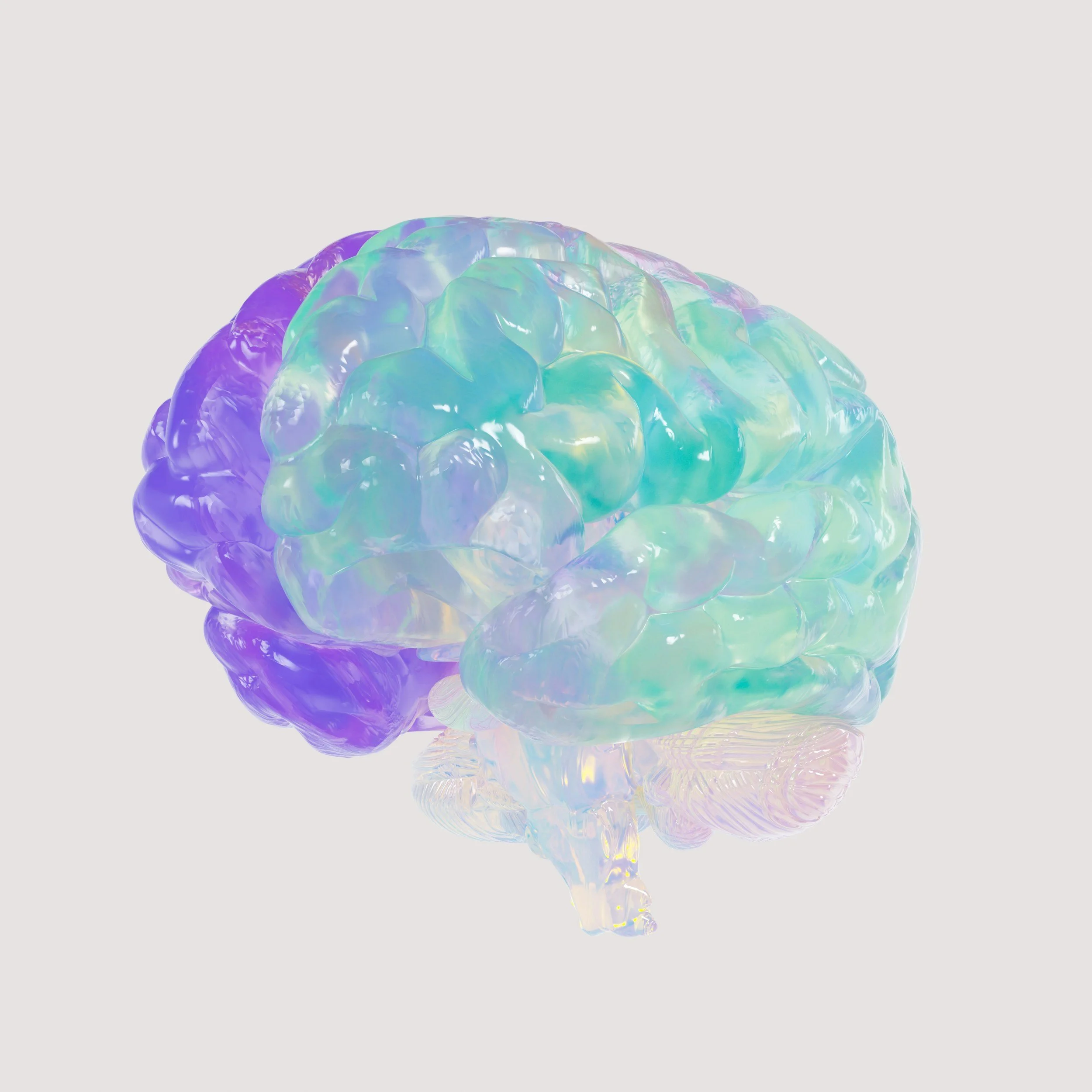
Bipolar Disorder Triggers: What Causes Mood Episodes?
Bipolar disorder involves shifts between mania, hypomania, and depression — but these episodes rarely happen out of nowhere. Most people with bipolar disorder have specific triggers that spark or worsen mood changes.
This guide helps you understand the most common triggers and how to manage them.

How to Manage Anxiety at Work Without Burning Out
Work can be stressful, but when everyday pressure turns into overwhelming anxiety, it affects your performance, health, and confidence. Whether you struggle with social anxiety, performance anxiety, or chronic stress, there are practical ways to manage anxiety at work and feel more grounded throughout your day.

The Connection Between Sleep and Depression
The relationship between sleep and depression is powerful — and deeply intertwined. People living with depression often struggle with insomnia, oversleeping, or disrupted sleep cycles. In turn, poor sleep can worsen depressive symptoms, creating a cycle that’s hard to break.
Understanding this connection is the first step toward improving mental health and emotional resilience.

Common Types of OCD: Contamination, Checking, Hoarding, and More
OCD can present in many ways. Identifying the type helps guide treatment and coping strategies. Most OCD symptoms fall into categories:

The Science Behind ADHD: Brain Function and Neurotransmitters
ADHD is a neurodevelopmental disorder, meaning it stems from differences in brain structure and function. People with ADHD have variations in brain regions that control: